
Why Middle School Curriculum Feels More Difficult
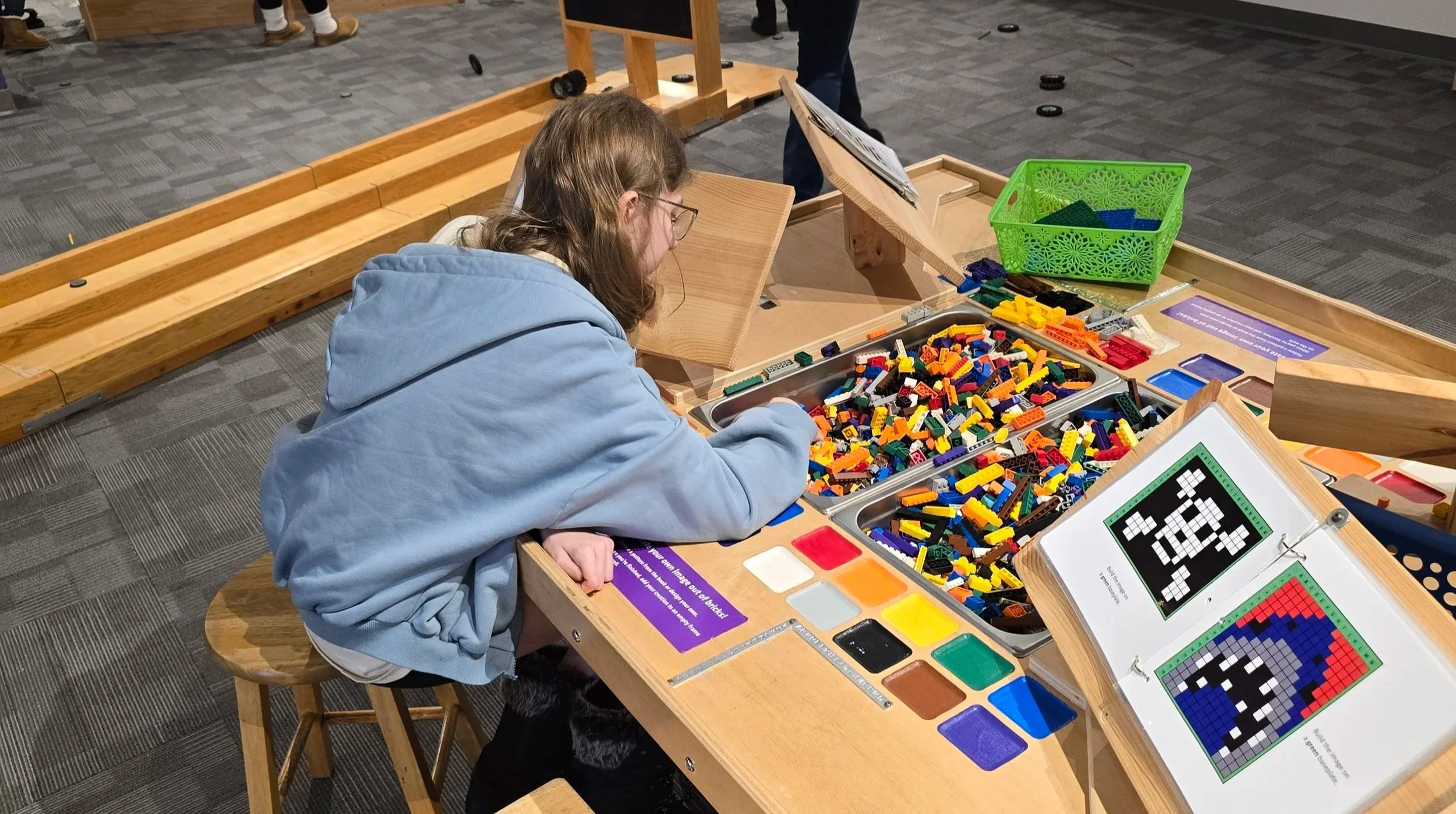
When my daughter started homeschooling, it felt much more whimsical and fancy with all the cute aesthetic posters and things to decorate the homeschool space. She was starting 3rd grade and I wanted to make sure her space was inviting, warm, and fantasical. Now, she is going to be going into 7th grade next year, and it feels like the honeymoon is definitely over. The subjects are a bit more intense and the content can become more specialized. This can be a double edge sword because, as a middle schooler, there is an expectation of more independence. Which leaves you as a parent with some more free time. But then it leads to a bit more worry. Are they learning enough? Are they paying attention in their classes? Are they doing their work?
Here are some things that I have noticed that has made middle school homeschooling a completely different animal than elementary.
1. The Content Gets More Specialized
In elementary years, you can confidently teach most subjects with a good guide. By middle school, subjects start requiring more depth:
Math moves toward pre-algebra and algebra
Science becomes more technical like chemistry, physics, and labs. No more simple nature walks and journals.
Writing shifts from simple narration to structured essays
At this point, you may find yourself thinking: “Do I actually remember how to do this?” That’s normal.
2. Your Child Becomes More Independent (But Not Fully)
Middle schoolers are in that in-between stage. They can work independently, but they still need guidance, structure, and accountability.
This means your role shifts from hands-on teacher to a mix of:
Coach
Organizer
Editor
Occasional “Google it together” partner
3. There Are Too Many Options
Ironically, more choices make things harder. At least for me. Sometimes it ends up with analysis paralysis and I just end up with wanting somebody to tell me exactly what to do.
You’ll find:
Full curriculum packages
Online programs
Self-paced courses
Co-ops and hybrid models
Why It Actually Gets Easier
1. You Know Your Child Better
By middle school, you’ve likely figured out:
Their learning style
Their strengths and struggles (as an only child, mine does not really like working independently)
What doesn’t work, which usually ends up being better than knowing what does work because it easy for you to narrow down what they like.
2. You Don’t Have to Do It All Yourself
This is the turning point for many homeschool families. Middle school is often when parents begin to realize: You are not required to personally teach every subject.
And honestly, at this time, you probably shouldn’t. Wanting to teach every subject, even if you are not very good at it can lead to tension and dislike for a subject because you are both stressed.
The Shift Toward Outsourcing
As subjects become more advanced, many homeschool parents start outsourcing parts of their child’s education.
This isn’t failure, it’s strategy. Think of it like building a personalized education team.
You might outsource:
Math (a common one)
Science labs
Writing instruction
Foreign languages
This frees you up to focus on:
Oversight
Encouragement
Life skills
The subjects you enjoy teaching
Unique Places Middle Schoolers Can Take Classes
One of the biggest advantages of homeschooling at this age is flexibility. Education doesn’t have to happen at the kitchen table.
Here are some creative and practical places to find courses:
1. Community Education Programs
Many local school districts offer:
After-school classes
Skill-based workshops
Enrichment programs
These can be a low-pressure way to try new subjects.
2. Homeschool Co-ops
Co-ops often shine during the middle school years.
You’ll find:
Group science labs
Literature discussions
Hands-on electives like art, sewing, or woodworking
Plus, your child gets social interaction without a full classroom environment.
3. Online Learning Platforms
Online courses can take a huge load off your plate.
Self-paced programs for independent learners
Live classes for structure and accountability (Think Outschool and Recess)
These work for every subject, hobby, elective, and everything in between. There is truly a class for everything available at this point. We have used Outschool throughout the years many times, both live and self-paced.
4. Local Colleges and Community Colleges
Some areas allow middle schoolers (especially older ones) to:
Take enrichment classes
Attend youth programs
Participate in summer workshops
This can be a great confidence boost and exposure to higher-level learning.
5. Museums, Nature Centers, and Farms
For a more hands-on approach:
Science centers often offer workshops
Nature centers host ecology classes
Farms provide real-world biology and sustainability lessons
This is where learning becomes memorable.
6. Local Experts and Small Businesses
Don’t overlook what’s right in your community.
Your child could learn from:
Artists
Bakers
Mechanics
Musicians
This kind of apprenticeship-style learning is incredibly valuable—and often overlooked.
How to Build a Balanced Middle School Plan
Instead of trying to find one perfect curriculum, think in layers:
Core Subjects (Math, Language Arts): Structured, consistent
Content Subjects (Science, History): Flexible, interest-based
Skills & Electives: Outsourced or experiential
A sample approach might look like:
Math: Online program
Language Arts: Parent-led + writing course
Science: Co-op or local class
History: Read-alouds + projects at home
Electives: Community classes or hobbies
Middle school homeschooling is less about doing everything yourself and more about knowing when not to.
This is the stage where your role evolves into something more powerful:
You curate
You guide
You connect your child with opportunities
And in many ways, that’s where homeschooling really starts to shine.
If you approach it with flexibility and a willingness to outsource when needed, middle school doesn’t have to feel overwhelming, it can actually be one of the most rewarding seasons of your homeschool journey.
